stutklit Claude field research

Claude · Observation

Watch the market where the buying group already looks

Interviews tell you the story people can narrate. Observation tells you the sequence they enact: which document is open, who speaks, where the room goes quiet. A Claude observation log is a record of those scenes. It is not a share of wallet, and it is not permission to say “buyers do X.”

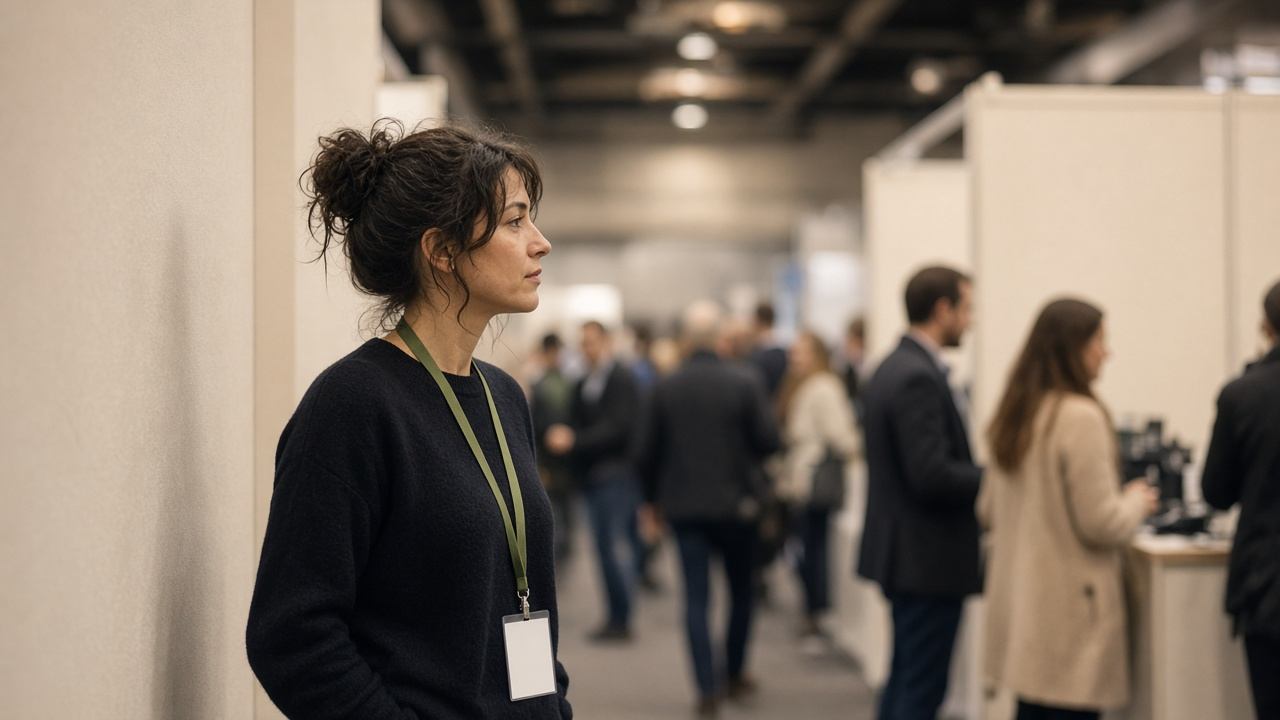
A researcher watching a trade-show conversation from the edge of an aisle

Observation is a discipline, not a disguise

There are two legitimate places to watch. The first is public or widely circulated: request-for-proposal templates, procurement policy pages, security questionnaires that vendors pass around, review threads, changelog arguments, implementation-partner writeups, conference hallway talk you are allowed to hear because you bought a ticket like everyone else. The second is invited: a quarterly business review, a pilot standup, a renewal call, a legal working session, with the people in the room told why you are there.

Covert recording, fake buyer accounts, and scraping private communities are not fieldwork. They also poison the thing you came to learn, because people who discover the trick stop speaking in the register you needed. If a scene requires deception, it is outside this guide. Ethics of access are spelled out again in research design.

What a single scene can hold

Write four lines while the scene is still warm. Who is present, by role rather than by a flattering title. What artifact is in play. What just happened in the sequence. What did not happen: the question nobody answered, the metric on the slide nobody defended, the champion who stopped translating. Those absences are often the friction. Pair them later with interview language from decision-maker interviews so you do not treat a quiet room as a conclusion by itself.

Places worth an hour, and the mistake each one invites

Review threads and community posts

You can see the complaint people are willing to attach their name to, and the workaround they recommend to peers. You cannot see the deals that never reached a public complaint. Treat volume of posts as a clue about what is sayable, not as incidence.

RFP language and security forms

Boilerplate is a fossil of the last scare. A question that appears in every packet is a touchpoint even when no one in the interview mentions it. Read the form beside the touchpoint map, not as a feature backlog.

Pilot standups and renewal calls

Invited rooms show who owns a number and who only narrates it. If success criteria are “time saved” and nobody can point to the clock, you are watching proof friction, described in purchase friction.

Hallway talk at a conference

Useful for the phrase people use when they are not performing for a vendor. Useless as a sample of “the industry.” Write the phrase down. Do not count the badges.

Signal, and what it cannot prove

You may write You may not write
In the three packets read this month, data-retention questions sat in section two, ahead of price. Security now outranks price for most buyers.
On the renewal call, the operator asked for a rollback plan and the champion changed the subject. Customers are afraid of switching.
Reviewers describe a workaround with a shared spreadsheet in their own words. The market is not ready for this category.
A scene is a fact about a room. A market is a claim you have not earned.

When the same artifact and the same silence show up in interviews and in observation, you have a pattern worth synthesizing. That step is positioning synthesis. Until then, keep the log boring and specific. Boring notes are what a later reader can trust.

Log line

Role, artifact, sequence, silence. Four fields. If you cannot fill them, you were not observing. You were touring.

Pairing

Every observed stall needs a chance to be explained in someone’s words. Book the interview while the scene is fresh.

Limit

State how you were present. Invited, public, or secondhand. A Claude note that hides its vantage point is a pitch.

Follow one artifact through the path

Touchpoint fieldwork is observation with a map: where the file goes after the conversation you just watched.

Map the touchpoints